
Ethiopia is located in northeastern Africa and is one of the world’s oldest countries, with a history spanning approximately 4.4 million years. It is considered one of the earliest places where humans lived. Ethiopia is also one of the first Christian nations in the world, having adopted Christianity in the 4th century, and it has maintained a Christian majority population to this day.
Ethiopia has been an independent state since ancient times. Ruled by a monarchy for most of its history, it remained independent even when most other African countries were under colonial rule.

The Ethiopian economy is one of the fastest-growing in Africa, although the country remains one of the poorest in the world. It has a population of approximately 80 million (making it the third most populous country in Africa), the majority of whom live in rural areas. Life expectancy is 55.4 years, and there are only 2.6 doctors per 100,000 inhabitants.
The Tigray region is the northernmost region of Ethiopia, with Mekelle as its capital. It has a population of approximately 4.5 million, of whom only 19.5% live in urban areas.
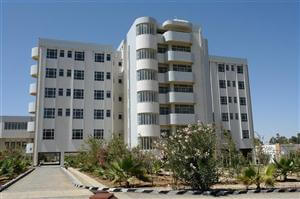
Mekelle University was established in 2000 and consists of 7 faculties, 44 departments, 3 campuses within the city, and approximately 23,000 students. In 2002, the College of Health Sciences was founded, which includes the School of Medicine.
The Ayder Referral Hospital, the university’s teaching hospital, opened in September 2008 with a total capacity of 480 beds and 7 operating theatres. However, due to shortages of equipment and, more importantly, medical staff, only 240 beds and 3 operating theatres are currently in operation.
The specialized medical staff consists of 12 specialist physicians, including 3 internists, 3 pediatricians, 2 obstetricians and gynecologists, 1 general surgeon, 1 radiologist, 1 dermatologist, and 1 psychiatrist.
They are supported by 20 general practitioners in training, 65 final-year medical students from the School of Medicine, and 145 nurses.


 39 surgical operations performed
- medical and paramedical personnel trained in new surgical procedures
- 120 hematopathology cases reviewed and presented for teaching purposes,
- 250 kg of medical equipment and consumables donated to the hospital,
- software for telemedicine donated and installed with applications in tele-education, in collaboration with the Department of Medical Physics, National and Kapodistrian University of Athens Medical school (Head : Professor E. Georgiou)
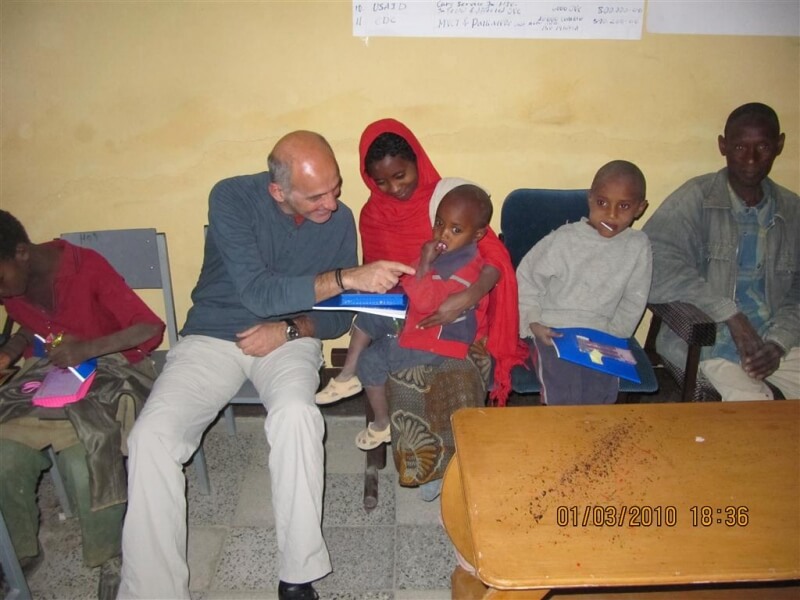
- 3 students with health problems from the Greek Community School in Addis-Ababa examined,
- clothes, toys and books donated to OSSA (Organization for Social Service for AIDS) of Tigray, an NGO that educates people about HIV and supports orphan children that lost their parents from AIDS.


 39 surgical operations performed
- I. Anastasopoulou – Nurse, Konstantopouleio – Agia Olga Hospital, Athens
- A. Andreou – Anesthesiologist, Didymoteicho General Hospital
- K. Avgerinos – Surgeon, Consultant (Grade A), First Department of Surgery, Konstantopouleio – Agia Olga Hospital, Athens
- E. Georgiadis – Resident in Internal Medicine, Larissa General Hospital
- X. Dervenis – Surgeon, Director of the First Department of Surgery, Konstantopouleio – Agia Olga Hospital, Athens
- Hypatia Dousi-Anagnostopoulou – Associate Professor, Laboratory of Histology and Embryology, School of Medicine, National and Kapodistrian University of Athens (NKUA); Mission Organizer
- K. Koutsomyti – Nurse, Konstantopouleio – Agia Olga Hospital, Athens
- X. Leou – Nurse, Konstantopouleio – Agia Olga Hospital, Athens
- K. Manes – Surgeon, Consultant (Grade A), First Department of Surgery, Konstantopouleio – Agia Olga Hospital, Athens
- L. Baltatzi – Anesthesiologist, Konstantopouleio – Agia Olga Hospital, Athens
- L. Myrsaki – Nurse, Konstantopouleio – Agia Olga Hospital, Athens
- E. Xynos – Surgeon, Associate Professor of Surgery, School of Medicine, University of Crete
- E. Pavlakis – Surgeon, Hygeia Hospital
- E. Chatzitheoklitos – Surgeon, Director of the Department of Surgery, Agios Dimitrios Hospital, Thessaloniki
- Reda Weldeselassie – Fourth-year scholarship medical student, School of Medicine, National and Kapodistrian University of Athens (NKUA)
Volunteers
Isabella Chatzipli – Legal Advisor
Antonis Kaffas – Financial Advisor
Konstantinos Michailidis – Financial Advisor / Accounting Support
We warmly thank our sponsors.
- John S. Latsis Public Benefit Foundation
- A. G. Leventis Foundation
- Bodossaki Foundation
The companies:
- ELPEN
- VIVARTIA

- Konstantopouleio – Agia Olga Hospital, for the donation of medical supplies.
- EFG Eurolife, for providing travel insurance for the volunteers.
- CIVITAS, for creating the organization’s logo.
- Turkish Airlines, for offering a discount on the transportation cost of medical supplies.
- Ethiopian Airlines, for transporting the medical supplies free of charge.
- The Greek Community of Addis Ababa, Ambassador M. Daratzikis, and the Kalogeropoulos family, for their warm welcome, guided tour, and the dinner they hosted for the mission members at the Greek Athletic Club of Addis Ababa.
Ethiopia is located in northeastern Africa and is one of the world’s oldest countries, with a history spanning approximately 4.4 million years. It is considered one of the earliest places where humans lived. Ethiopia is also one of the first Christian nations in the world, having adopted Christianity in the 4th century, and it has maintained a Christian majority population to this day.
An independent state since ancient times, Ethiopia was ruled by a monarchy for most of its history. It remained independent even when most other African countries were under colonial rule.
The Ethiopian economy is one of the fastest-growing in Africa, although the country remains one of the poorest in the world. It has a population of approximately 80 million (making it the third most populous country in Africa), the majority of whom live in rural areas. Life expectancy is 55.4 years, and there are only 2.6 doctors per 100,000 inhabitants.
The Tigray region is the northernmost region of Ethiopia, with Mekelle as its capital. It has a population of approximately 4.5 million, of whom only 19.5% live in urban areas.
Mekelle University was established in 2000 and has 7 faculties, 44 departments, 3 campuses, and approximately 23,000 students. In 2002, the College of Health Sciences was founded, which includes the School of Medicine.
The university’s teaching hospital, Ayder Referral Hospital, opened in September 2008 with a capacity of 480 beds and 7 operating theatres. Today, only 240 beds and 3 operating theatres are in operation due to shortages of equipment and, above all, medical staff.
The specialized medical staff consists of 12 specialist physicians: 3 internists, 3 pediatricians, 2 obstetricians and gynecologists, 1 general surgeon, 1 radiologist, 1 dermatologist, and 1 psychiatrist.
They are supported by 20 general practitioners in training, 65 final-year medical students, and 145 nurses.
- 39 surgical operations performed
- medical and paramedical personnel trained in new surgical procedures
- 120 hematopathology cases reviewed and presented for teaching purposes,
- 250 kg of medical equipment and consumables donated to the hospital,
- software for telemedicine donated and installed with applications in tele-education, in collaboration with the Department of Medical Physics, National and Kapodistrian University of Athens Medical school (Head : Professor E. Georgiou)
- 3 students with health problems from the Greek Community School in Addis-Ababa examined,
- clothes, toys and books donated to OSSA (Organization for Social Service for AIDS) of Tigray, an NGO that educates people about HIV and supports orphan children that lost their parents from AIDS.
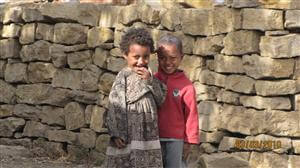
“A visit to a country like Ethiopia fills you with images, emotions, and thoughts you may have forgotten. The Tigray region, and Mekelle in particular, teaches you lessons in a different philosophy of life.
“Your first encounter with the people of Mekelle immediately reveals the character of this society—a community with a different philosophy and culture. The pace of daily life is slow, as though time itself holds little importance. In a world where most people live at a frantic pace, the residents seem to resist the race against time. They are warm, welcoming, and always ready to greet you with a smile and a willingness to talk.”
“They do not treat you as a stranger. They show respect through their behavior and genuinely appreciate the support and assistance you offer.
You can see a spark in their eyes—a sense of vitality and a deep desire to discover the world. They have a strong religious faith, and in their daily lives they never forget to thank God for the blessings they have. The majority of them are Orthodox Christians.”

“The streets are remarkably free from the usual noise and bustle of city life. There are relatively few cars, and it is common to see people traveling by horse-drawn carts or using animals for transportation. Although taxis and public transport are available, they are not the preferred means of getting around.
In a country with a rich tradition in athletics—particularly long-distance running—people often choose to walk to their destinations. Social health issues such as smoking and obesity are largely absent from their society.
Ethiopians generally have a lean physique and display remarkable physical endurance and strength in their daily activities.”
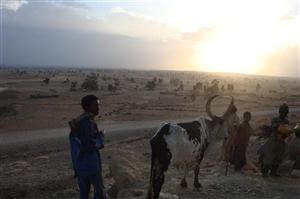
Despite the country’s modernization and its frequent interaction with the Western world, many people continue to hold traditional beliefs, fears, and superstitions. It is common for them to try to overcome illness through traditional or non-medical remedies before seeking specialized medical care. They often view illness as a form of misfortune and attempt to treat it with prayer, herbs, and homemade remedies.
Overall, visiting such a place—especially as a member of a humanitarian mission—is an unforgettable experience. It helps you rediscover values that are often forgotten, connect with your more compassionate side, and realize that providing humanitarian aid is ultimately a need rather than an obligation.
The visit of a team of physicians from a European country to a remote and challenging region with a different culture, traditions, and disease profile is particularly valuable. It serves as a reminder that the opportunities, resources, and comforts many people take for granted in their own countries are simply not the reality in many other parts of the world.”
Eleni Georgiadis
Member of the MISSION ANTHROPOS Humanitarian Mission
Mekelle, Ethiopia, 2010
We sincerely thank our sponsors.
- John S. Latsis Public Benefit Foundation
- A. G. Leventis Foundation
- Bodossaki Foundation
The companies:
- ELPEN
- VIVARTIA
καθώς και
- Konstantopouleio – Agia Olga Hospital, for the donation of medical supplies.
- EFG Eurolife, for providing travel insurance for the volunteers.
- CIVITAS, for creating the organization’s logo.
- Turkish Airlines, for offering a discounted rate for the transportation of medical supplies.
- Ethiopian Airlines, for transporting the medical supplies free of charge.
- The Greek Community of Addis Ababa, Ambassador M. Daratzikis, and the Kalogeropoulos family, for their warm welcome, guided tour, and the dinner they hosted for the mission members at the Greek Athletic Club of Addis Ababa.
- Greek Athletic Club of Addis Ababa.